
How to Prove Fault in a Car Accident in Texas
Turning the Crash Into Clear Evidence
After a car accident, it can feel like it’s just your word against the other driver’s. In reality, fault is determined by evidence—what can be documented, verified, and supported. Whether the crash happened on I-45, Loop 610, or at a busy Houston intersection, building a clear record early can make a significant difference in how your claim is handled. Taylor Law Firm helps clients in Houston and across Texas understand how fault is proven and what steps matter most.
What Evidence Helps Prove Fault in a Texas Car Accident
Police Reports
Officers document the scene, note violations, and may include an initial assessment of fault.
Photos and Videos
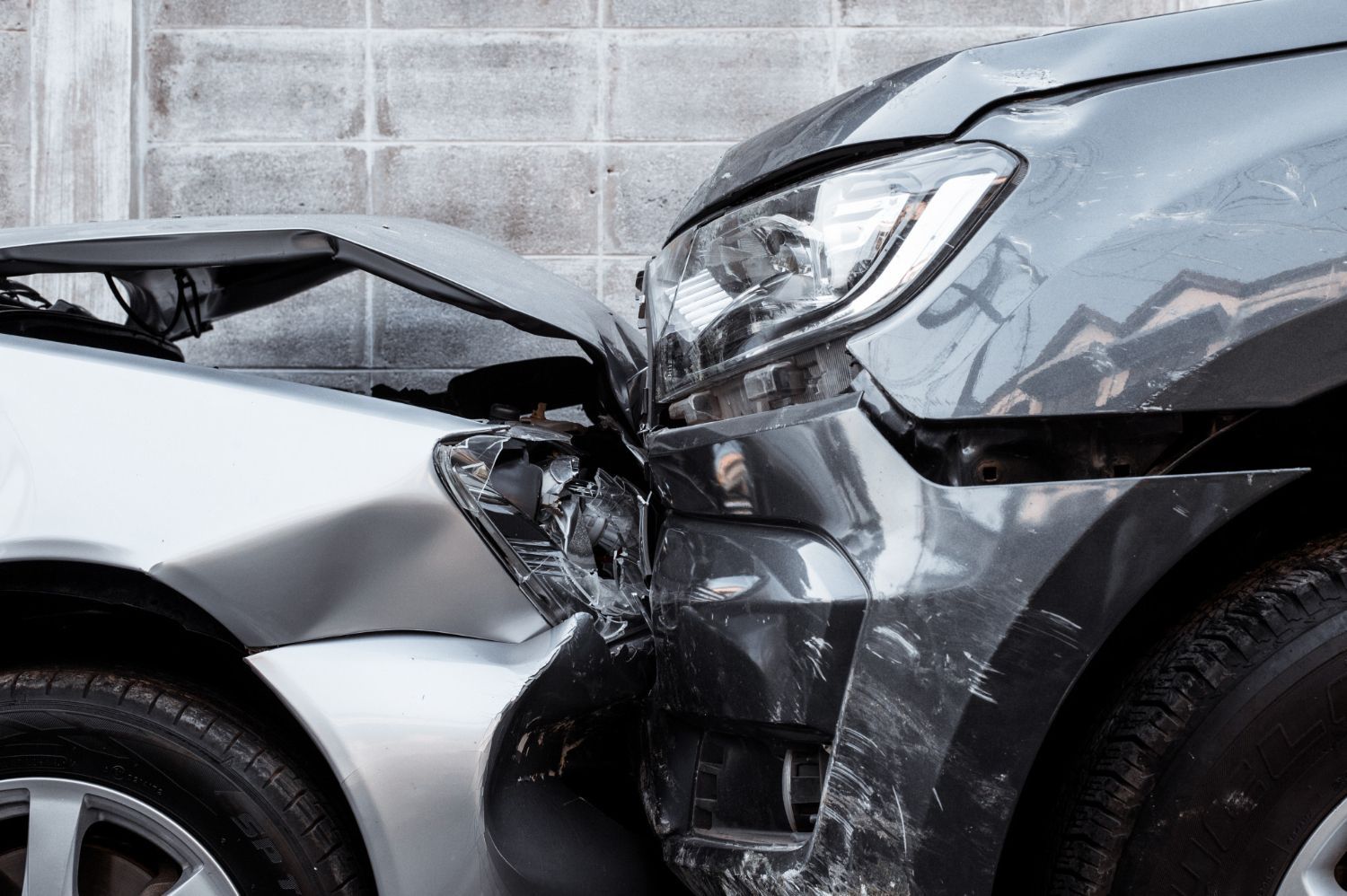
Images of vehicle damage, road conditions, traffic signals, and the surrounding area help show how the crash occurred.
Witness Statements
Independent accounts can clarify what happened, especially when drivers disagree.fic pickup zones.
Vehicle Damage and Positioning
The location and severity of damage can help reconstruct how the collision happened.
Traffic Law Violations
Running a red light, failing to yield, or speeding can directly impact fault determination.
Surveillance and Dashcam Footage
Footage from nearby businesses, traffic cameras, or personal dashcams can provide critical visual evidence.
Customer Testimonials on Google
How Texas Comparative Fault Laws Affect Your Case
Texas follows a modified comparative fault rule. This means:
- You can recover damages if you are less than 51% responsible
- Your compensation may be reduced based on your share of fault
- If you are more than 50% responsible, you may not recover damages
Understanding how fault is assigned is important because it directly affects the outcome of your case.
How Texas Comparative Fault Laws Affect Your Case
Texas follows a modified comparative fault rule. This means:
- You can recover damages if you are less than 51% responsible
- Your compensation may be reduced based on your share of fault
- If you are more than 50% responsible, you may not recover damages
-
Understanding how fault is assigned is important because it directly affects the outcome of your case.
What If the Other Driver Lies About What Happened?
It’s not uncommon for drivers to give different versions of the same accident. When that happens, the claim is built on evidence—not statements alone.
A strong case focuses on:
- Physical evidence from the scene
- Independent witness accounts
- Official reports and documentation
- Any available video or digital records
The goal is to move the case away from conflicting stories and toward verifiable facts.
What If You Didn’t Gather Enough Evidence at the Scene?
Many people leave an accident scene worried they missed something important. In some cases, additional evidence can still be found later, such as:
- Nearby surveillance footage
- Traffic camera recordings
- Follow-up witness statements
- Accident reconstruction analysis
Acting sooner rather than later can make it easier to recover this information before it’s lost.
Ready to Understand Where Your Case Stands?
If you’re unsure how fault will be determined in your case, the next step is getting a clear evaluation of the evidence available.
What to Expect When You Work With Taylor Law Firm
Your case begins with a review of the accident details, available evidence, and any gaps that may need to be addressed. From there, the focus is on building a clear, supported version of events that reflects what actually happened. Communication stays direct so you understand how fault is being evaluated at each stage. Clients across Texas rely on a process designed to bring clarity to complex accident claims.
Your Questions About Proving Fault, Answered
How can I prove the other driver was at fault?
Fault is established through evidence such as reports, photos, witness statements, and traffic law violations.
What evidence is most important in a Texas car accident case?
Police reports, photos, witness accounts, and any video footage are often key factors.
What if both drivers share some responsibility?
Texas law allows recovery if you are less than 51% at fault, but your compensation may be reduced.
Can fault be determined after the accident if it wasn’t clear at the scene?
Yes. Additional evidence and investigation can clarify fault after the fact.

Get Clarity Before Fault Decisions Affect Your Claim
Fault plays a central role in how your case is handled and what you may recover. Taylor Law Firm helps clients in Houston and across Texas gather evidence, understand their position, and move forward with confidence.