
What to Do After a Car Accident in Texas
Start With the Next Right Step—Not Guesswork
The moments after a car accident can feel overwhelming. Whether the crash happens on a Houston freeway like I-45 or at a busy intersection, it’s easy to miss important steps or say something that could affect your claim later. This guide walks you through what to do next, in order, so you can protect your health, your rights, and your ability to recover damages.
A Simple Checklist for After a Car Accident in Texas
1. Check for Injuries and Get to Safety
Your safety comes first. Move to a safe location if possible, especially on high-traffic roads or freeway shoulders. Call 911 if anyone is injured.
2. Call the Police and Request a Report
In Texas, a police report helps document what happened and may be important for your claim. Officers can also manage traffic and gather initial details.
3. Exchange Information
Collect names, contact details, driver’s license numbers, and insurance information from everyone involved.
4. Document the Scene
Take photos of vehicles, damage, road conditions, traffic signals, and any visible injuries. If available, note dashcam footage or nearby surveillance sources.
5. Speak With Witnesses
If anyone saw the accident, ask for their contact information. Their perspective may help clarify what happened.
6. Get Medical Attention
Even if injuries seem minor, it’s important to get checked. Some symptoms appear later, and medical records help support your claim.
7. Notify Your Insurance Company Carefully
Report the accident, but avoid giving detailed recorded statements until you understand your position.
8. Speak With a Lawyer Before Making Decisions
Before accepting any settlement or discussing fault, it helps to get clear guidance on your options.
Customer Testimonials on Google
Mistakes to Avoid After a Texas Car Accident
- Admitting Fault at the Scene
You may not have all the facts, and statements can be used against you later. - Skipping Medical Evaluation
Delays in treatment can affect both your health and your claim. - Giving Recorded Statements Too Early
Insurance companies may use early statements to limit payouts. -
- Accepting a Quick Settlement
Early offers may not reflect the full cost of your injuries.
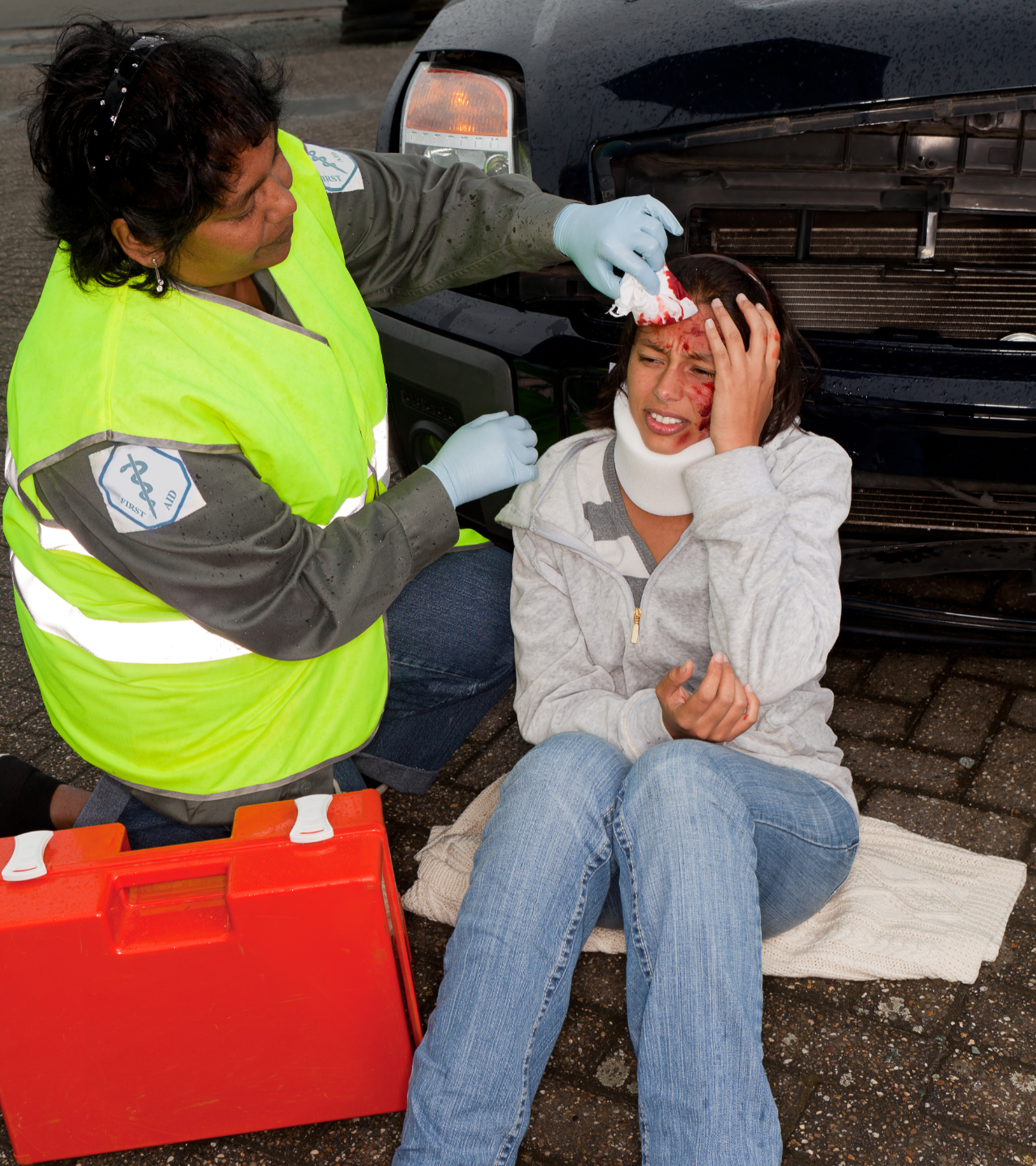
Mistakes to Avoid After a Texas Car Accident
Admitting Fault at the Scene
You may not have all the facts, and statements can be used against you later.
Skipping Medical Evaluation
Delays in treatment can affect both your health and your claim.
Giving Recorded Statements Too Early
Insurance companies may use early statements to limit payouts.
Accepting a Quick Settlement
Early offers may not reflect the full cost of your injuries.
When Should You Call a Lawyer?
You don’t need to have everything figured out before reaching out. Many people call after realizing the situation is more complicated than expected—especially when injuries, insurance disputes, or unclear fault are involved. Getting guidance early can help you avoid mistakes and understand your next step with confidence.
What Happens After You Start a Claim
Once a claim begins, the process typically involves documenting injuries, gathering evidence, and communicating with insurance companies. The timeline can vary depending on treatment and complexity, but having a clear plan early can make the process more manageable.

Get Clear Guidance Before You Talk to Insurance
Insurance companies often move quickly after a crash, but that doesn’t mean you have to respond without a plan. Taylor Law Firm helps people across Houston and throughout Texas understand what to say, what to document, and how to protect their claim from the start.